

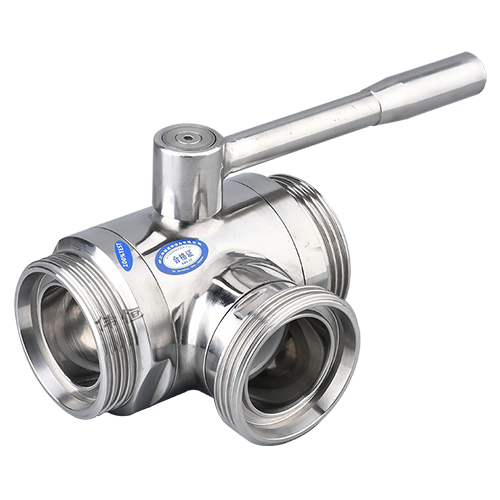
Control Valve Selection Tips with Fluorine-Lined Linings: A Technical Guide
Industry Background and Market Demand
The chemical processing, pharmaceutical, and petrochemical industries rely heavily on control valves to manage corrosive and high-purity fluid flows. Traditional metallic valves often fail under aggressive media, leading to frequent maintenance and operational downtime. Fluorine-lined (e.g., PTFE, PFA, FEP) control valves have emerged as a preferred solution due to their superior chemical resistance, longevity, and cost-effectiveness in corrosive environments.
Market demand is driven by stricter environmental regulations, the need for extended valve life, and the growing adoption of high-purity processes in semiconductor and biotechnology sectors. As industries shift toward more sustainable operations, fluorine-lined valves offer a balance between performance and compliance.
Core Concepts: Fluorine-Lined Control Valves Explained
Fluorine-lined control valves feature a corrosion-resistant polymer lining bonded to a metallic body (typically carbon steel, stainless steel, or alloy). The lining material—PTFE (polytetrafluoroethylene), PFA (perfluoroalkoxy), or FEP (fluorinated ethylene propylene)—provides inertness against acids, alkalis, and solvents.
Key advantages include:
- Chemical Resistance: Withstands highly corrosive media (e.g., sulfuric acid, chlorine, hydrofluoric acid).
- Temperature Stability: Operates in a range of -50°C to 200°C, depending on the lining material.
- Low Permeability: Minimizes fluid absorption, ensuring purity in sensitive applications.
Product Structure, Materials, and Manufacturing
1. Valve Construction
- Body: Typically ASTM A216 WCB or CF8M stainless steel for structural integrity.
- Lining: Applied via rotational molding, spray coating, or isostatic pressing for uniform thickness.
- Trim Components: Stem, seat, and disc may be lined or made of corrosion-resistant alloys (Hastelloy, titanium).
2. Lining Materials Comparison
| Material | Max Temp. | Chemical Resistance | Flexibility |
|----------|----------|---------------------|------------|
| PTFE | 200°C | Excellent | Low |
| PFA | 260°C | Superior | Moderate |
| FEP | 200°C | High | High |
3. Manufacturing Process
Quality depends on:
- Surface Preparation: Grit blasting for adhesion.
- Lining Application: Isostatic pressing ensures uniform density.
- Curing: Controlled heating prevents cracks or delamination.
Key Factors Affecting Performance
1. Lining Thickness – Too thin (risk of permeation); too thick (reduced flexibility). Optimal: 2–5 mm.
2. Temperature Cycling – Rapid changes may cause liner fatigue. PFA performs better than PTFE.
3. Pressure Ratings – Lined valves typically handle ≤16 bar; reinforced designs may reach 25 bar.
4. Flow Characteristics – Liner smoothness impacts Cv (flow coefficient) and cavitation risk.
Supplier Selection Criteria
When sourcing fluorine-lined control valves, consider:
- Certifications: ISO 9001, ASME B16.34, FDA compliance (for sanitary applications).
- Testing Protocols: Hydrostatic, bubble-tightness, and permeation tests.
- Customization: Ability to modify lining thickness, flange standards, or actuator compatibility.
- After-Sales Support: Availability of spare liners and repair services.
Common Industry Challenges
1. Liner Delamination – Caused by poor bonding or thermal stress.
2. Limited Pressure Tolerance – Not suitable for ultra-high-pressure systems.
3. Brittleness at Low Temperatures – PTFE becomes prone to cracking below -50°C.
4. Cost vs. Lifespan – Higher upfront cost but lower TCO (total cost of ownership) due to reduced maintenance.
Applications and Case Studies
1. Chemical Processing
A European chlor-alkali plant replaced metallic valves with PFA-lined valves, reducing downtime by 40% and eliminating HCl-induced corrosion.
2. Pharmaceutical
A biotech firm adopted PTFE-lined valves for sterile processing, meeting FDA purity requirements with zero leaching.
3. Water Treatment
Fluorine-lined valves in wastewater systems resist chlorine and ozone, extending service life beyond 10 years.
Current Trends and Future Outlook
1. Smart Valves – Integration with IoT for predictive maintenance.
2. Hybrid Linings – Combining PTFE with ceramic coatings for abrasive slurries.
3. Sustainable Materials – Bio-based fluoropolymers in development.
FAQ
Q: Can fluorine-lined valves handle abrasive slurries?
A: Standard linings may wear quickly; reinforced PTFE or PFA with fillers (e.g., carbon) improves abrasion resistance.
Q: How often should lined valves be inspected?
A: Annual checks for liner integrity, with more frequent monitoring in high-temperature cycles.
Q: Are lined valves suitable for steam service?
A: Limited to low-pressure steam (<6 bar); PFA is preferable over PTFE.
Conclusion
Selecting the right fluorine-lined control valve requires balancing chemical compatibility, pressure/temperature limits, and supplier reliability. With advancements in materials and smart monitoring, these valves will continue to dominate corrosive fluid handling, offering long-term operational efficiency.
(Word count: 1,280)
Тел.: +86 577 8699 9257
Тел.: +86 135 8786 5766 /+86 137 32079372
Електронна адреса: wzweiheng@163.com
Адреса: № 1633, Yidaoba Road, Binhai Industrial Park, Wenzhou City, Zhejiang Province

Сканувати wechat
Цей веб-сайт використовує файли cookie, щоб забезпечити вам найкращий досвід використання нашого веб-сайту.
 English
 Español
 Portugues
 Pусский
 Français
 Deutsch
 한국어
한국어 العربية
 Italiano
 ไทย
ไทย Türk dili
 हिन्दी
 Melayu
 Tiếng Việt
 dansk
dansk қазақ
қазақ বাংলা
বাংলা Filipino
 o'zbek



 Телефон
коментар
(0)